
In modern medical practice, ensuring secure, sterile, and efficient fluid connections is vital for patient safety and effective clinical outcomes. Among the various connector systems used in healthcare, luer slip systems stand out for their simplicity, versatility, and rapid-connect functionality. Widely used in intravenous (IV) therapy, laboratory equipment, and diagnostic procedures, Luer slip connectors provide quick, reliable, and leak-free connections between syringes, tubing, and medical devices.
This article explores the design, functionality, and clinical significance of Luer slip systems, highlighting their advantages, applications, and best practices in medical and laboratory settings.
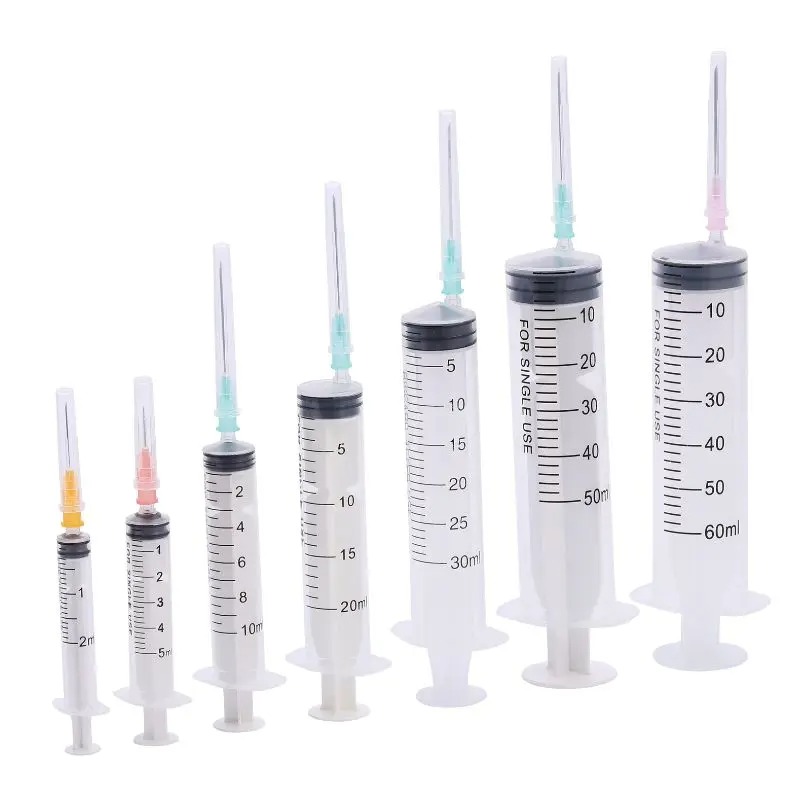
1. What is a Luer Slip System?
A Luer slip system is a standardized connector commonly used in medical and laboratory devices. Unlike Luer lock connectors, which use a threaded mechanism to secure the connection, Luer slip connectors rely on a friction-fit, tapered design. This allows a male connector to be gently pushed into a female connector, forming a tight seal through the friction between the conical surfaces.
Luer slip systems are part of the broader ISO 594 standard, ensuring universal compatibility across medical equipment manufacturers. The system provides a secure, yet easily detachable connection, suitable for low-pressure applications where rapid connection and disconnection are needed.
2. Components of a Luer Slip Connector
A typical Luer slip connector consists of two primary components:
- Male Luer Connector
- A tapered, conical end designed to fit snugly into the female counterpart.
- Typically found on syringes, IV tubing, or laboratory dispensers.
- Female Luer Connector
- A conical cavity that accepts the male connector.
- Ensures a friction-tight seal and is commonly used on needles, catheters, or tubing.
Unlike Luer lock connectors, Luer slip systems do not require threading, making them faster and easier to connect and disconnect.
3. How Luer Slip Systems Work
The Luer slip system functions through a simple principle: friction and tapering.
- When the male connector is inserted into the female connector, the tapered surfaces create a tight seal.
- The friction between the connectors holds them together, preventing leaks and disconnections under normal conditions.
- To disconnect, the connectors are simply pulled apart, allowing for quick changes or replacement of equipment.
This simplicity makes Luer slip systems highly efficient, particularly in settings where frequent connections and disconnections are required.
4. Advantages of Luer Slip Systems
Luer slip systems offer several advantages that make them popular in medical and laboratory applications:
- Quick and Easy Connections
- The push-fit design allows rapid attachment and detachment, saving time during procedures.
- Universal Compatibility
- Standardized under ISO 594, Luer slip connectors can connect devices from different manufacturers without compatibility issues.
- Leak-Resistant Design
- Properly fitted connectors provide a secure seal that minimizes leakage of fluids, medications, or laboratory reagents.
- Versatility
- Suitable for a wide range of applications, including IV therapy, laboratory dispensing, diagnostic equipment, and infusion systems.
- Reduced Risk of Cross-Threading
- Unlike Luer lock connectors, Luer slip connectors do not have threads, eliminating the risk of incorrect attachment that can compromise the connection.
- Cost-Effectiveness
- Luer slip connectors are generally simpler and less expensive to manufacture than threaded Luer lock systems.
5. Applications in IV Therapy
Luer slip connectors play a critical role in intravenous therapy, which involves the administration of fluids, medications, or nutrients directly into the bloodstream:
- Connecting Syringes to IV Lines
- Luer slip systems enable quick attachment of syringes for flushing, administering medications, or drawing samples without the need for screwing mechanisms.
- Compatibility with Catheters
- Catheters often have female Luer slip ports, allowing rapid attachment of syringes or tubing for fluid administration or aspiration.
- Low-Pressure Infusions
- Luer slip connectors are ideal for low-pressure applications, such as standard IV infusions or slow-drip medications, where a friction-fit seal is sufficient.
- Ease of Use in Emergencies
- The speed of Luer slip connections can be critical in emergency situations, enabling healthcare providers to quickly establish IV access or change lines without delay.
6. Applications in Laboratory Equipment
Luer slip connectors are also widely used in laboratory settings due to their convenience and reliability:
- Fluid Dispensing Systems
- Syringes and pipettes often use Luer slip connectors to attach tubing for controlled dispensing of reagents or samples.
- Analytical Instruments
- Luer slip connectors enable quick connection of syringes, filters, or tubing to instruments such as HPLC systems or automated analyzers.
- Sample Collection and Transfer
- The friction-fit design allows easy transfer of samples between devices while minimizing leaks and contamination risks.
- Compatibility with Standard Laboratory Equipment
- Luer slip connectors follow standardized dimensions, ensuring that syringes, tubing, and other laboratory devices from various manufacturers can interconnect seamlessly.
7. Considerations and Limitations
While Luer slip systems offer many benefits, certain limitations should be considered:
- Low-Pressure Applications Only
- Luer slip connectors are less secure under high-pressure conditions compared to Luer lock connectors. For high-pressure IV therapy or viscous fluids, threaded Luer lock connectors are preferable.
- Risk of Accidental Disconnection
- Since Luer slip relies on friction, accidental disconnection can occur if connectors are pulled or stressed. Proper handling and monitoring are essential.
- Need for Correct Fit
- To ensure a leak-free connection, male and female connectors must match the standardized taper accurately. Poorly fitted connectors can result in leakage.
8. Best Practices for Using Luer Slip Systems
Healthcare and laboratory personnel can maximize the effectiveness and safety of Luer slip systems by following best practices:
- Inspect Connectors Before Use
- Check for cracks, contamination, or deformities that could compromise the seal.
- Ensure Proper Alignment
- Insert male and female connectors straight to prevent leaks or damage.
- Monitor for Leaks During Use
- Regularly check the connection, especially during fluid administration or sample transfer.
- Use Single-Use Sterile Components
- Single-use connectors reduce the risk of cross-contamination and infection.
- Avoid High-Pressure Applications
- Use Luer slip systems for low-pressure fluids; switch to Luer lock systems for high-pressure or critical connections.
9. Conclusion
Luer slip systems are an essential component of modern medical and laboratory practice. Their quick-connect, friction-fit design ensures fast, reliable, and leak-resistant connections between syringes, tubing, and medical devices. These connectors are particularly valuable in IV therapy, laboratory fluid handling, and diagnostic procedures, where speed, compatibility, and sterility are paramount.
While best suited for low-pressure applications, Luer slip connectors offer unmatched versatility, ease of use, and universal compatibility, making them an indispensable tool in both clinical and laboratory environments. Following proper usage protocols and handling techniques ensures that Luer slip systems continue to enhance efficiency, safety, and accuracy in healthcare and scientific research.